a staple dish in the culinary traditions of Angola’s northern region
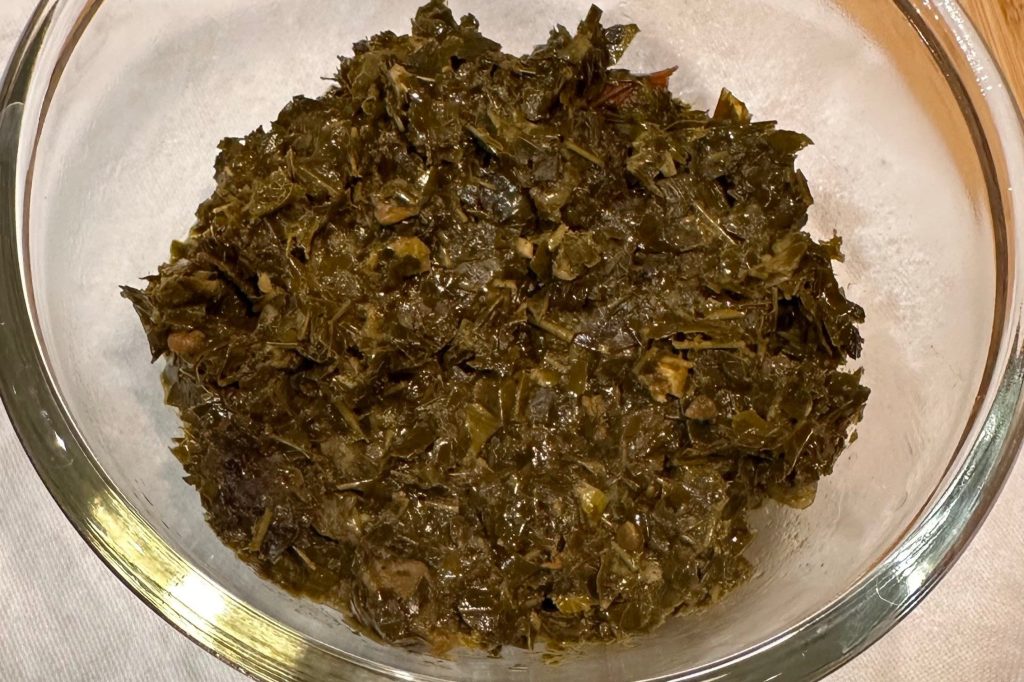
As a luandina, this is a dish I grew up eating because of my grandma. My grandma, who is from the province of Zaire in the north of Angola, bordering the DRC, made it often during my childhood. She usually added peanut (groundnut) paste to her version of the dish, which I loved. Recently, I discovered an African food market in town owned by a lovely Congolese family that sells frozen cassava leaves. I thought it was high time I tried making the dish myself instead of waiting for a family gathering once a year when a relative might prepare it.
Kizaka, aka kissaca or quizaca, is a staple dish in the culinary traditions of Angola’s northern region, as well as in the Republic of Congo and the Democratic Republic of Congo, where it is referred to as pondu. Cassava leaves are the main ingredient in kizaka. Packed with protein, they serve as a wonderful plant-based meat alternative. Additionally, kizaka is a great source of soluble and insoluble fiber, promoting heart and gut health. These vibrant leaves also contain vitamins A, B, and C and minerals like iron and calcium, offering excellent antioxidant and anti-inflammatory benefits.

Cassava leaves vaguely resemble hemp leaves, although cassava leaves are larger, wider, and smoother.
This protein-rich stew is usually prepared with palm oil, onions, garlic, salt, and water. The recipe varies depending on the region and personal preferences. Common additions to this dish include dried fish, beans, or peanut (groundnut) paste.
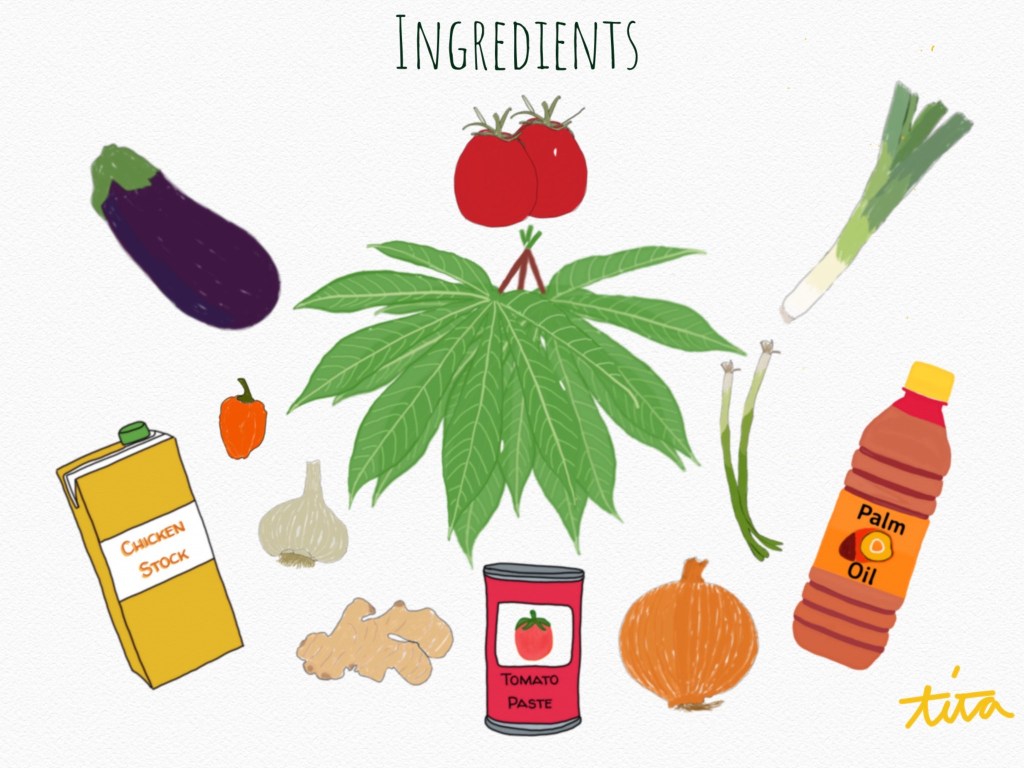
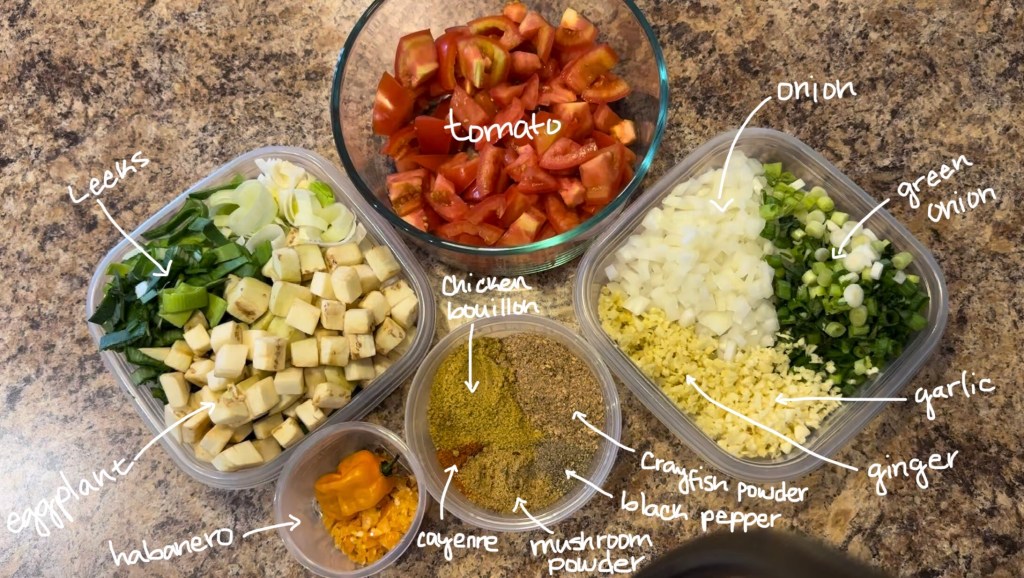
Ingredients
Cassava leaves, fresh/frozen, pounded or shredded
Tomato, fresh, chopped
Eggplant, cubed
Leeks, chopped
Onion, white, chopped
Green onion, chopped
Ginger, grated
Garlic, minced
Habanero, chopped
Tomato paste
Chicken stock
Palm oil
Seasonings: chicken bouillon, crayfish powder, mushroom powder, cayenne, black pepper.
A disclaimer before I share directions for this recipe: This was my first attempt at making kizaka. I was confident I could recall the steps from the few times I’d watched it being prepared by my grandma and auntie, and I didn’t want my memory tampered with by looking up random recipes online. It turns out I remembered a lot less than I thought. I later realized I missed the step where the leeks, onion green onions, and eggplant are shredded in a food processor or pounded before being added, as well as other details. Also, ingredients, such as the crayfish and mushroom powder, are not typically added to this dish, but I had them in my pantry and thought they would add some dimension to the dish’s flavors that would otherwise have been missing without any dried fish.
The resulting stew was similar enough, so I thought it was still worth sharing. This was my process:
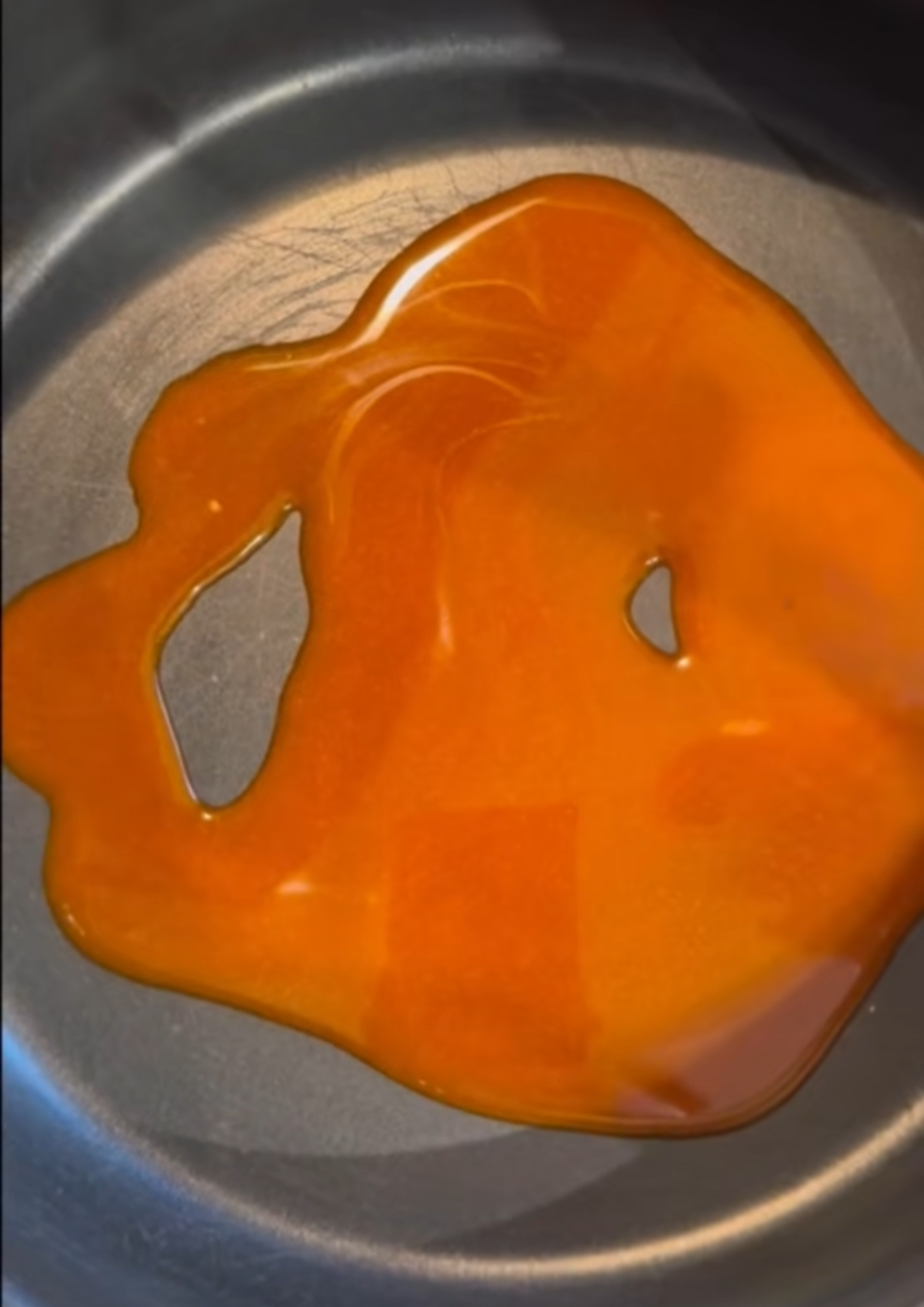
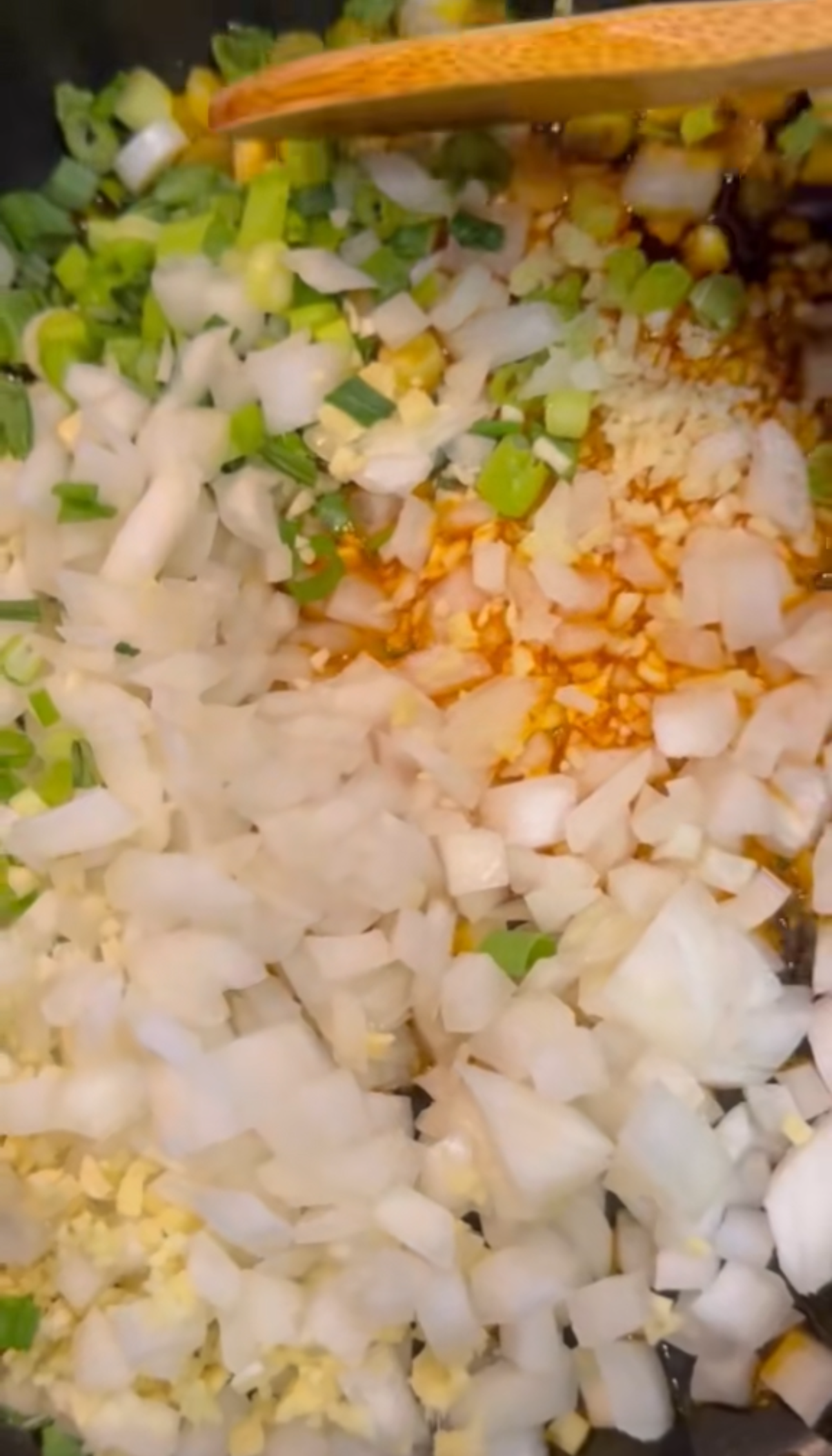
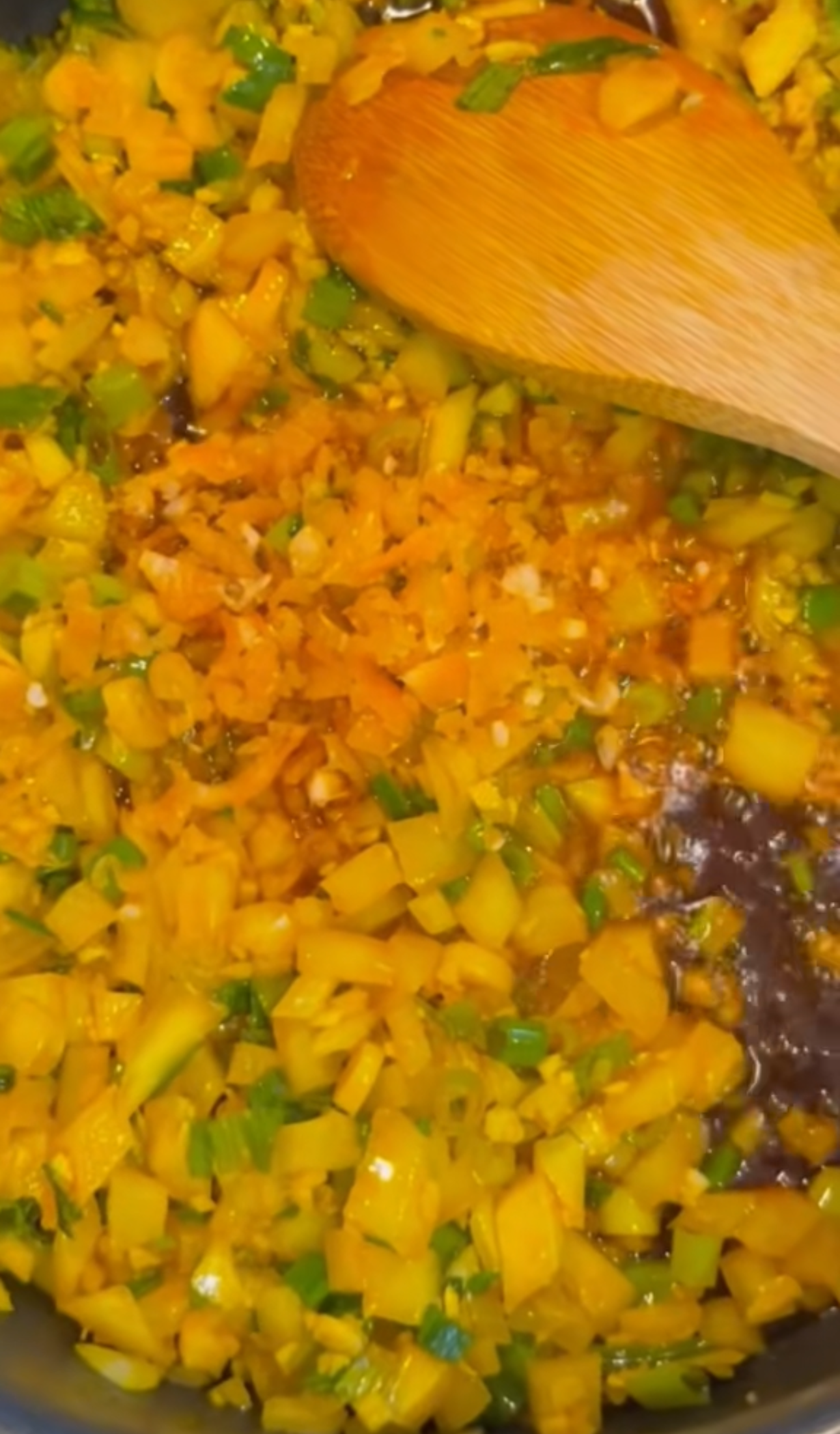
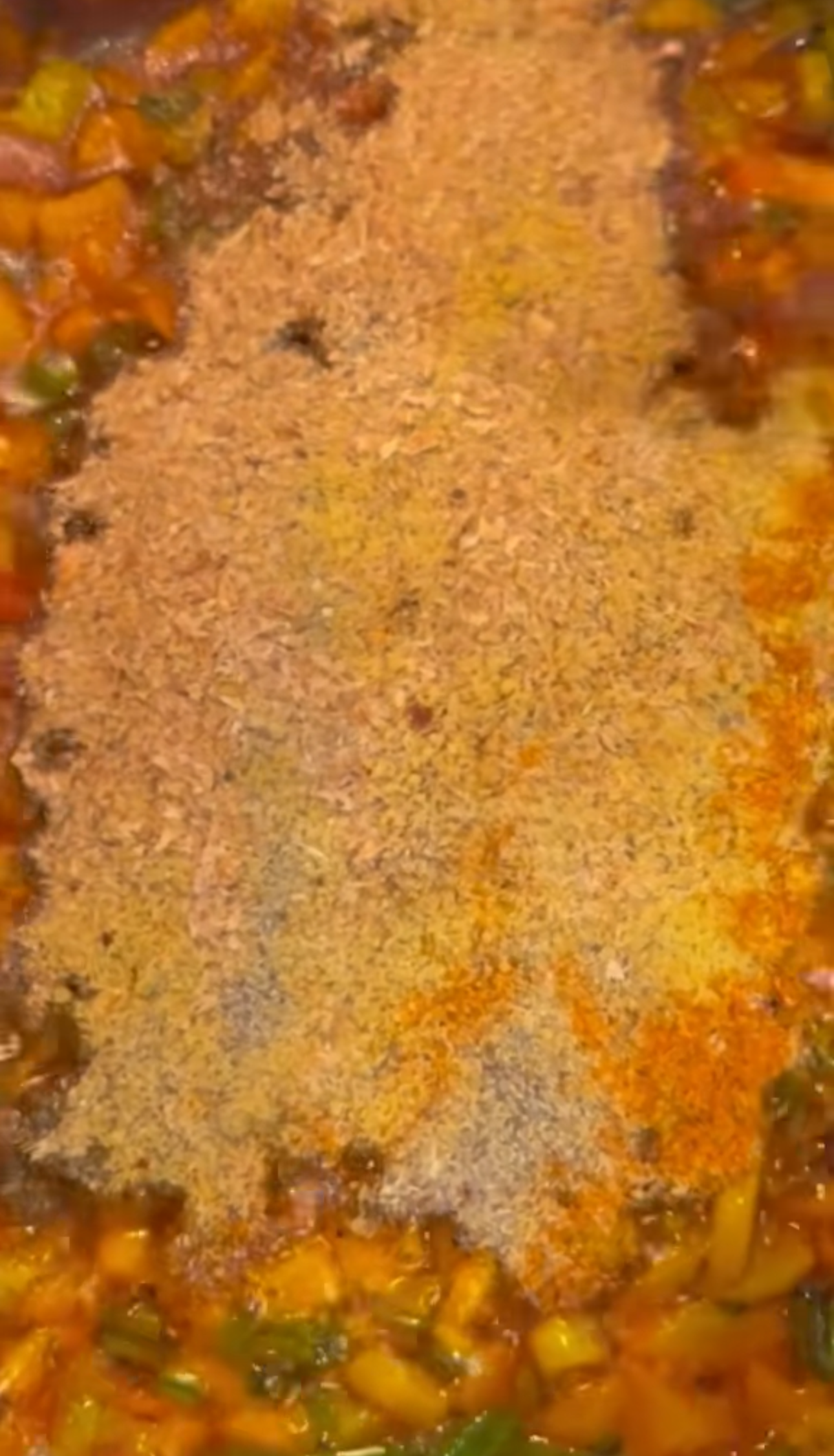
Heat palm oil in a large, shallow pot. Add ginger, garlic, white and green onions, and chopped habanero. Sauté until onions become translucent. Add seasoning spices. Stir to combine.
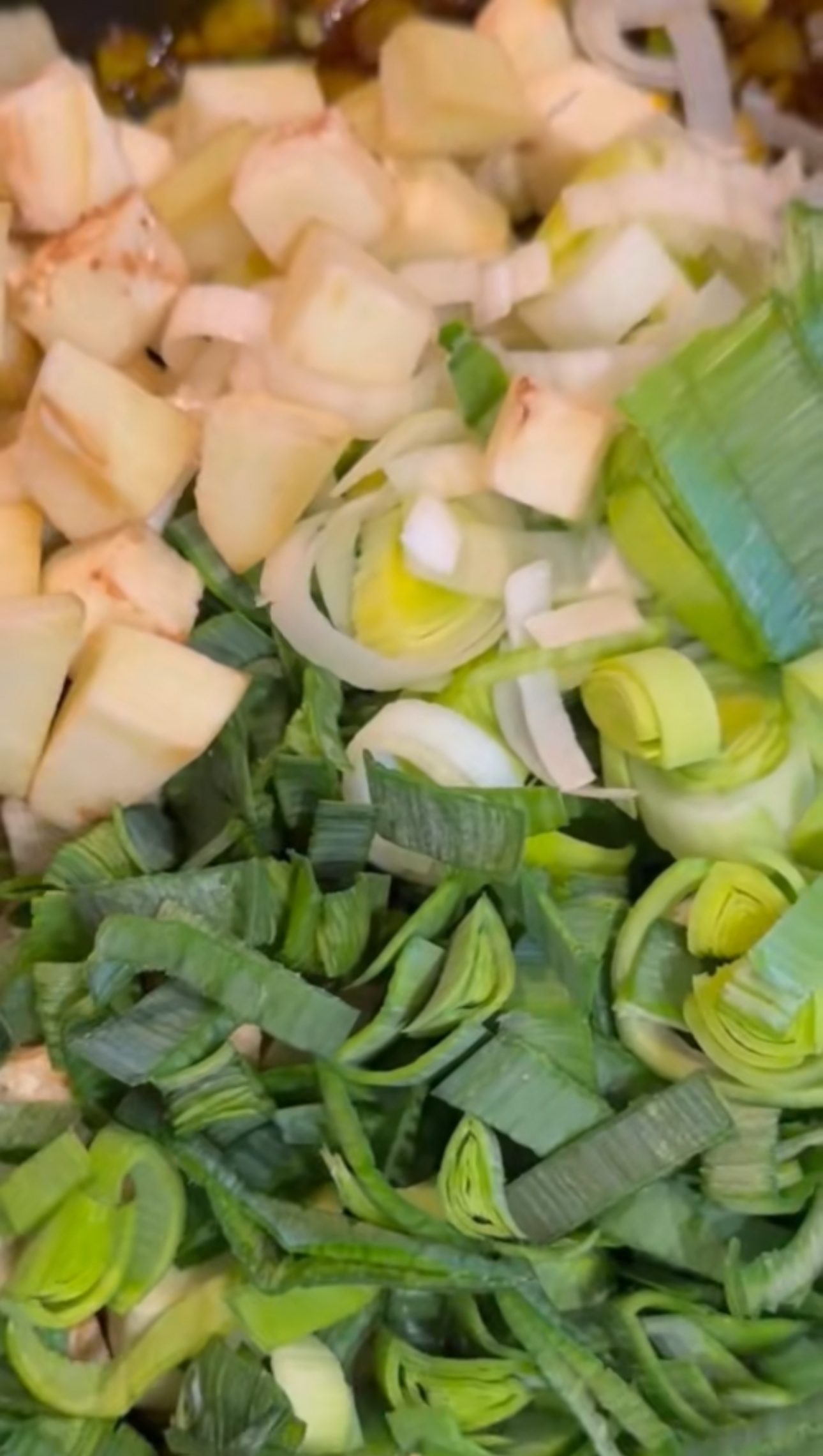
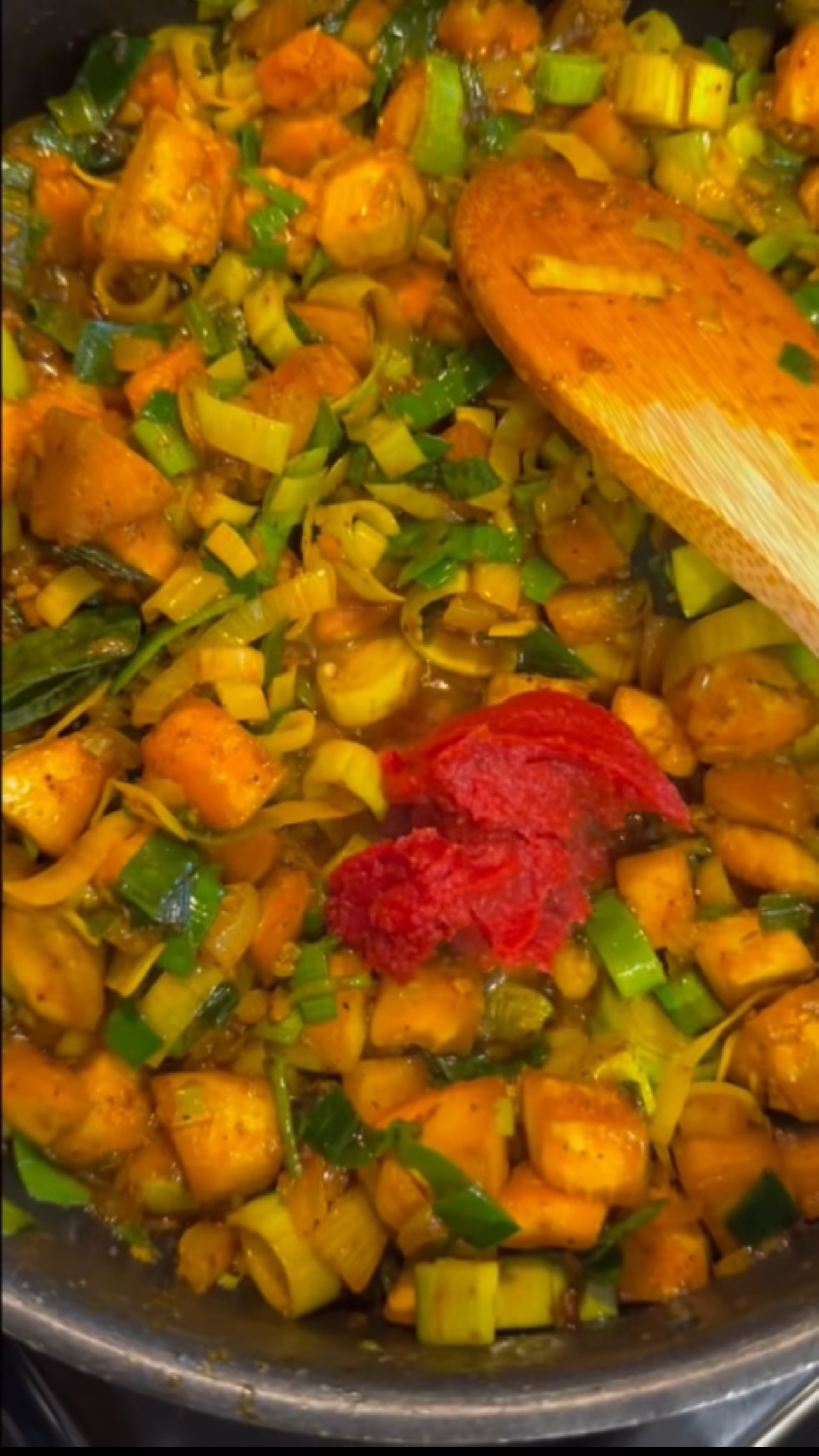
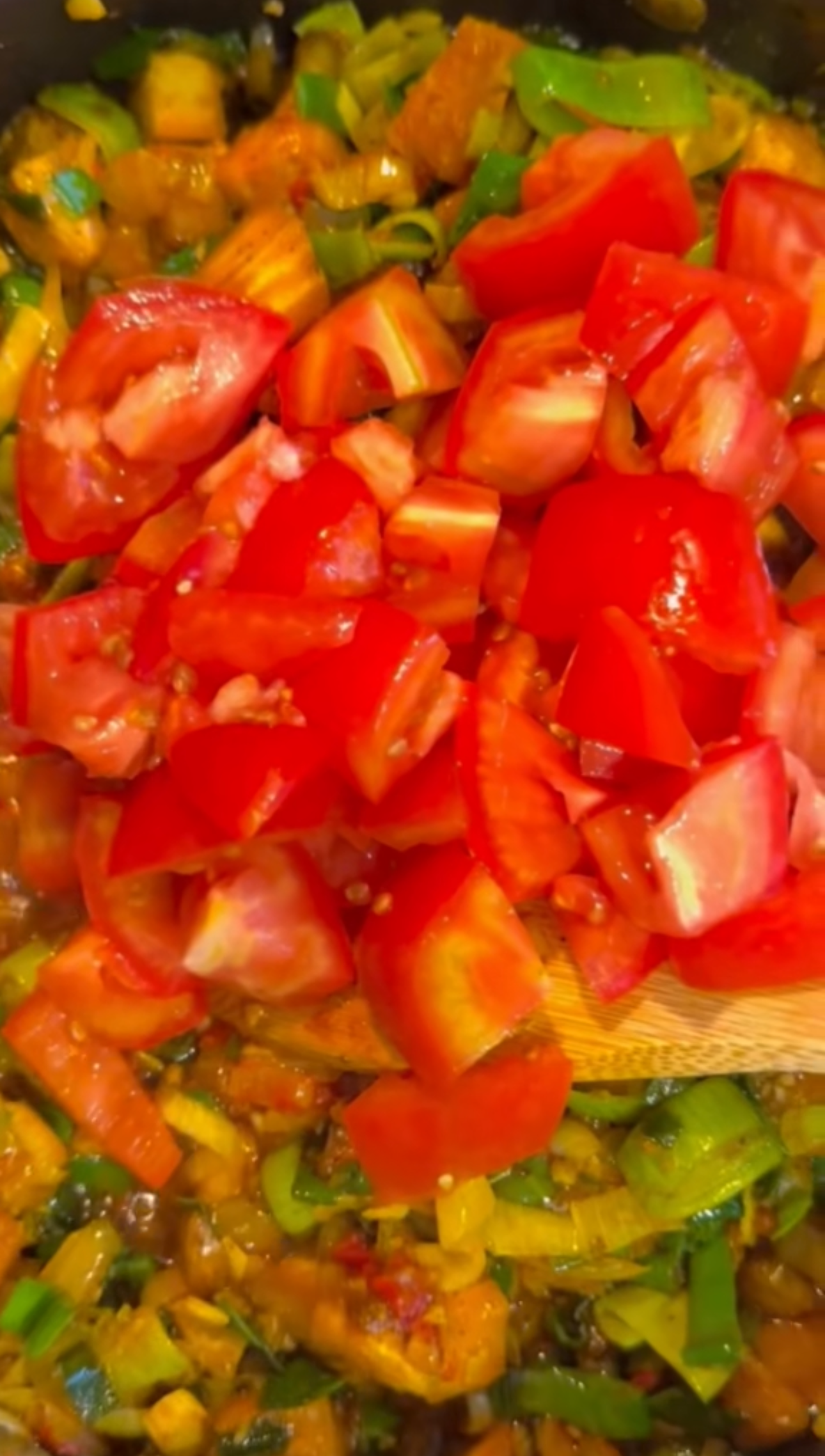
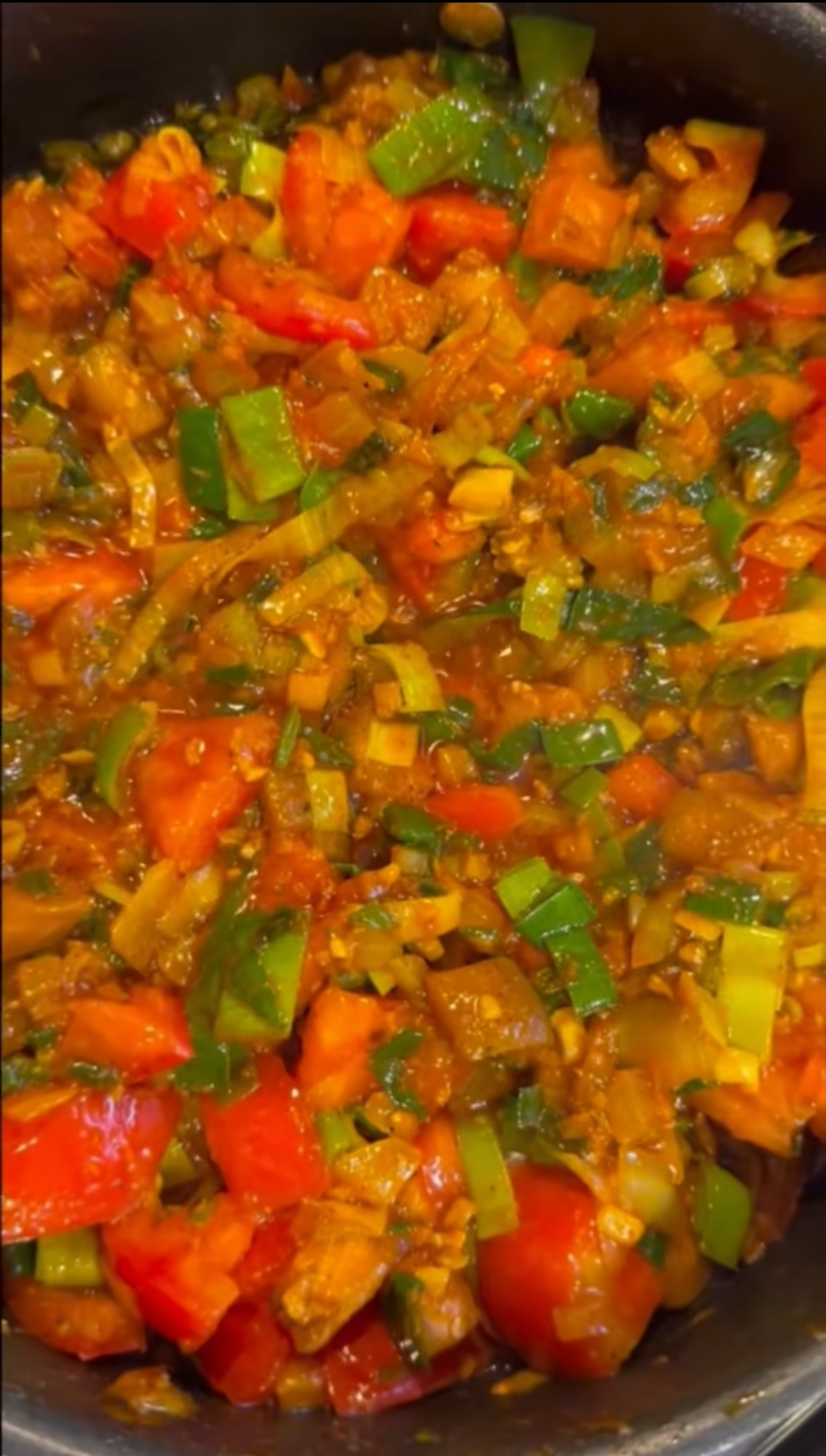
Add eggplant and leeks. Sauté until eggplant softens. Add tomato tomatoes and tomato paste. Cook on medium heat until tomatoes have broken down.
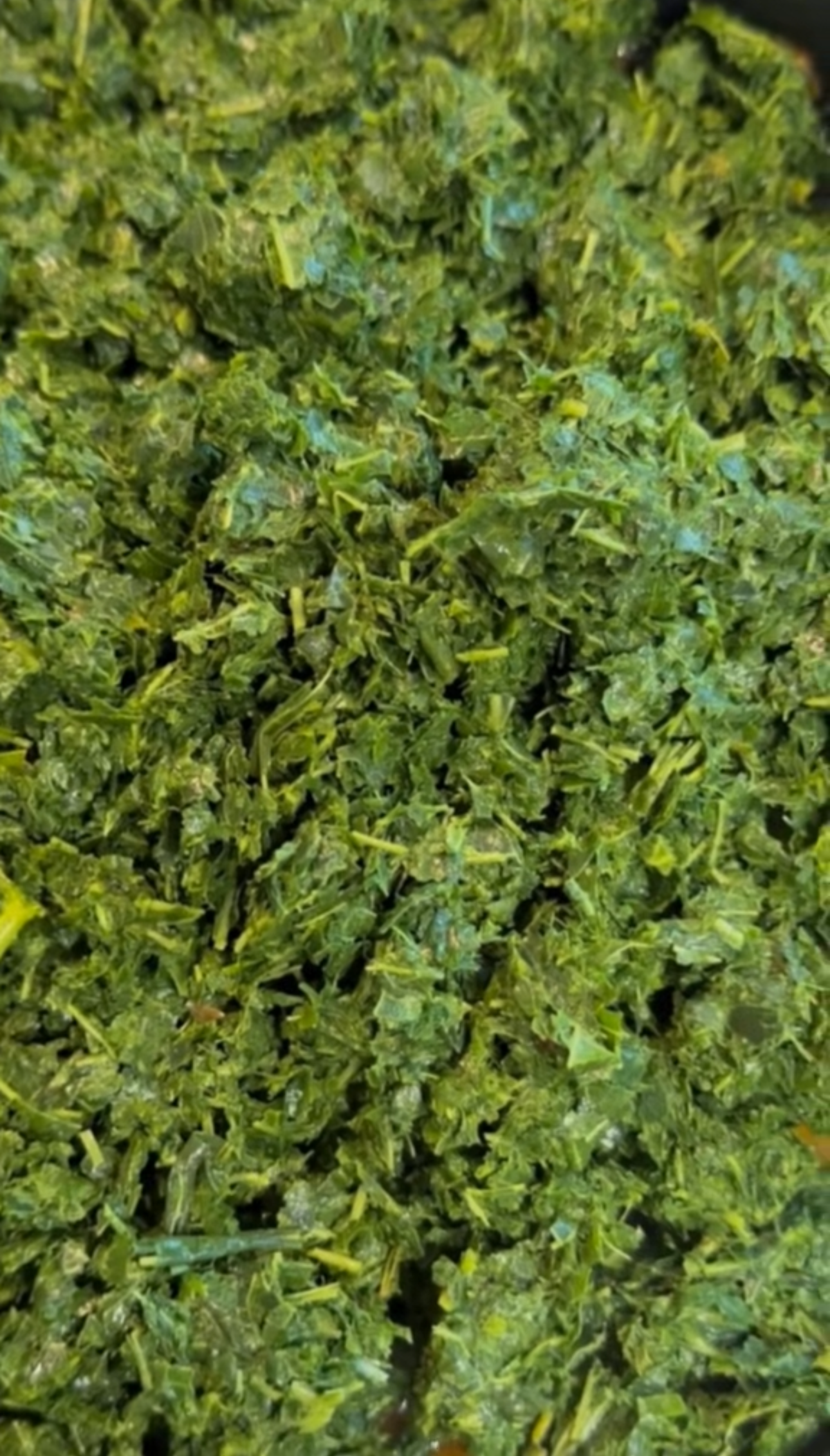
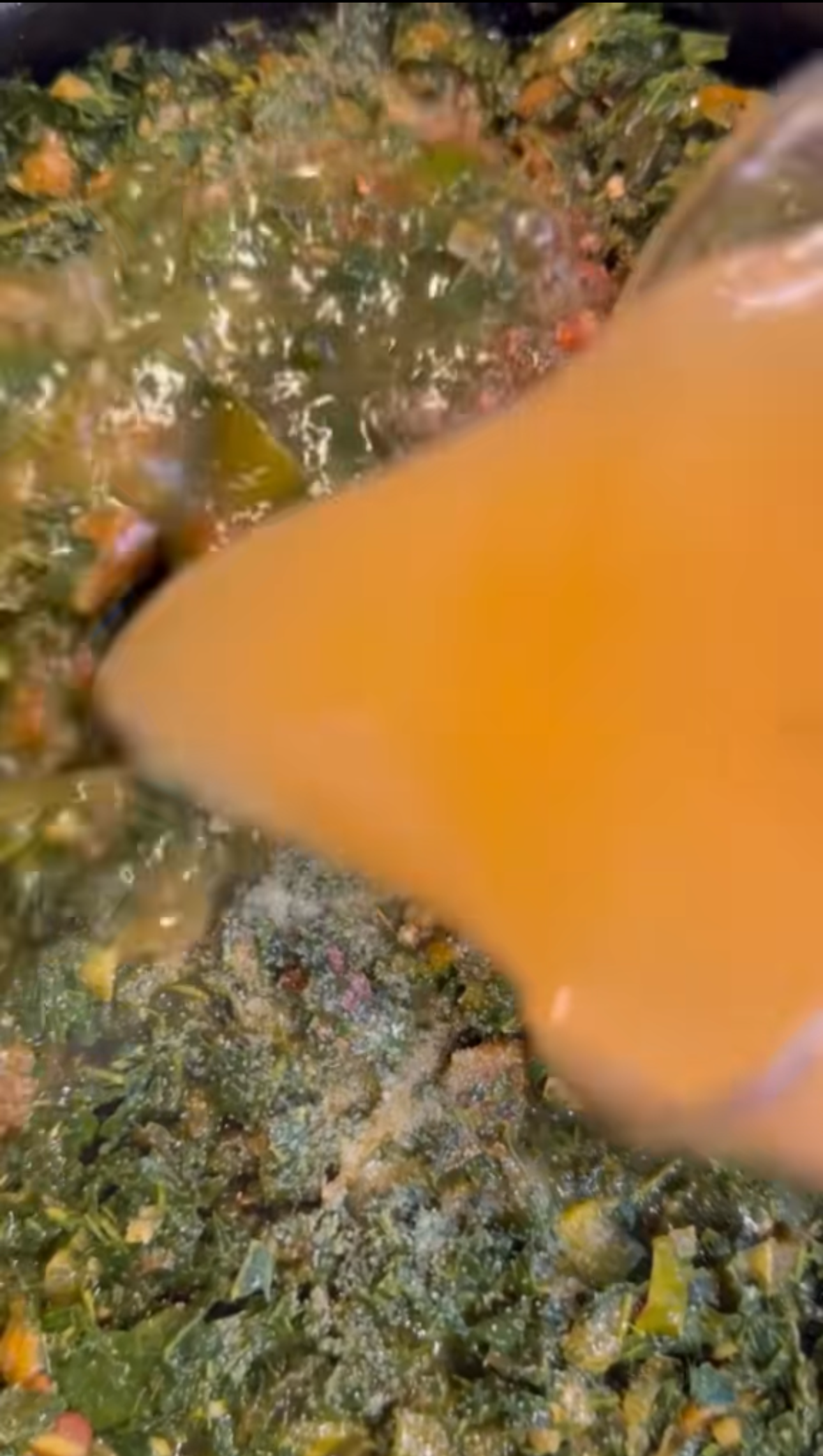
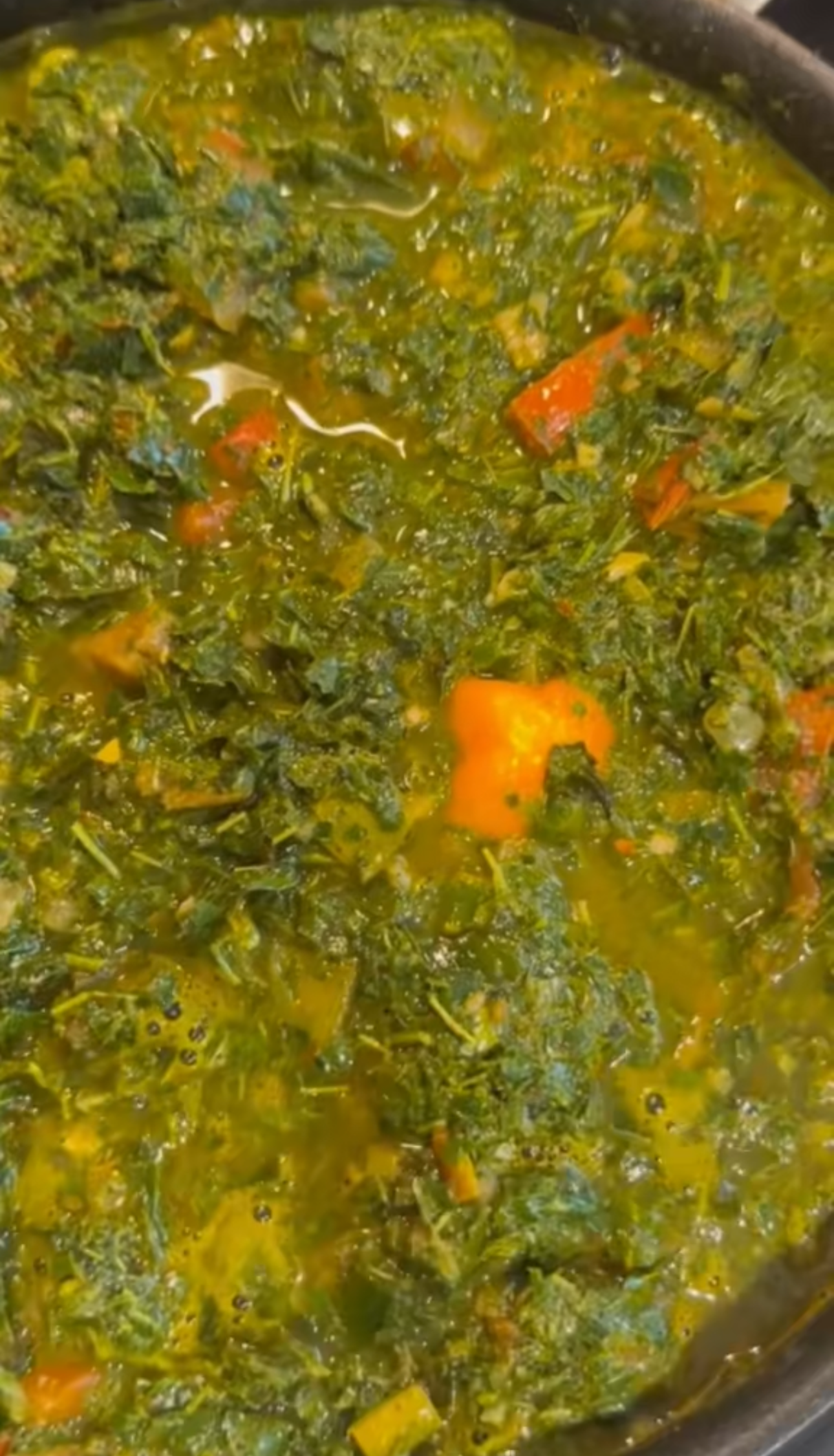
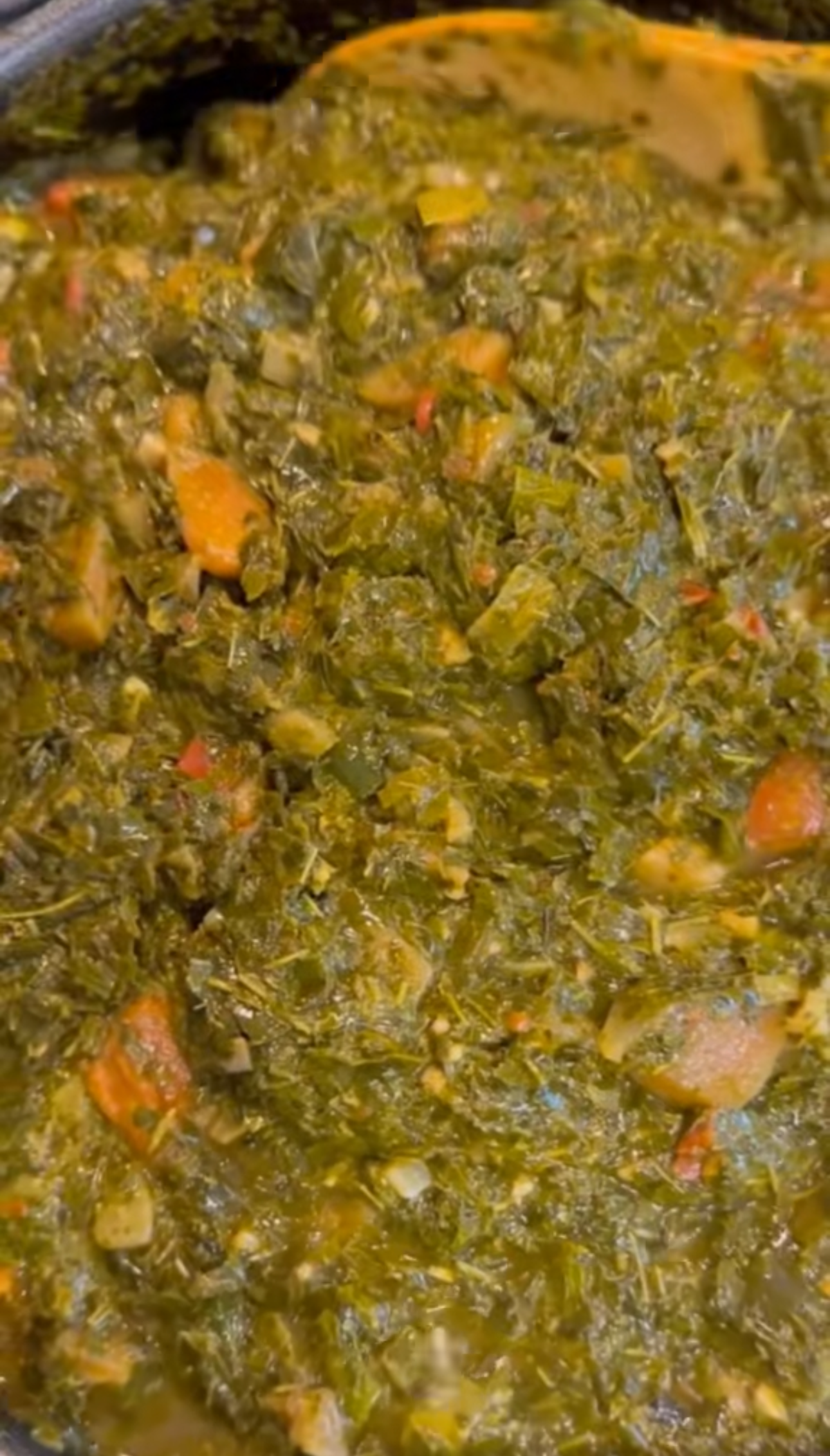
Add cassava leaves and mix to combine. Taste and adjust seasonings as needed. Add chicken stock and a whole habanero for extra flavor. Cover and simmer until the cassava leaves have softened.
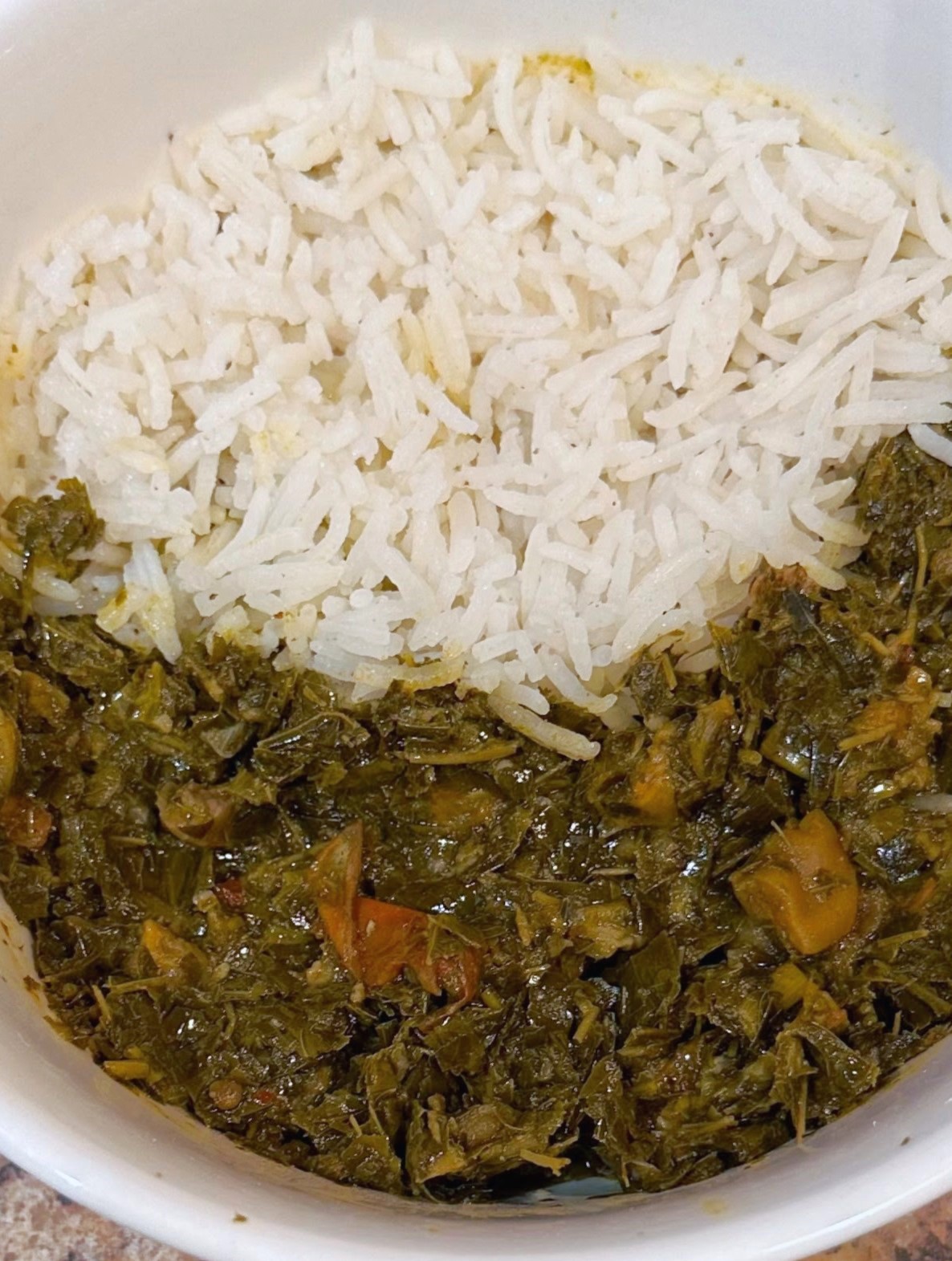
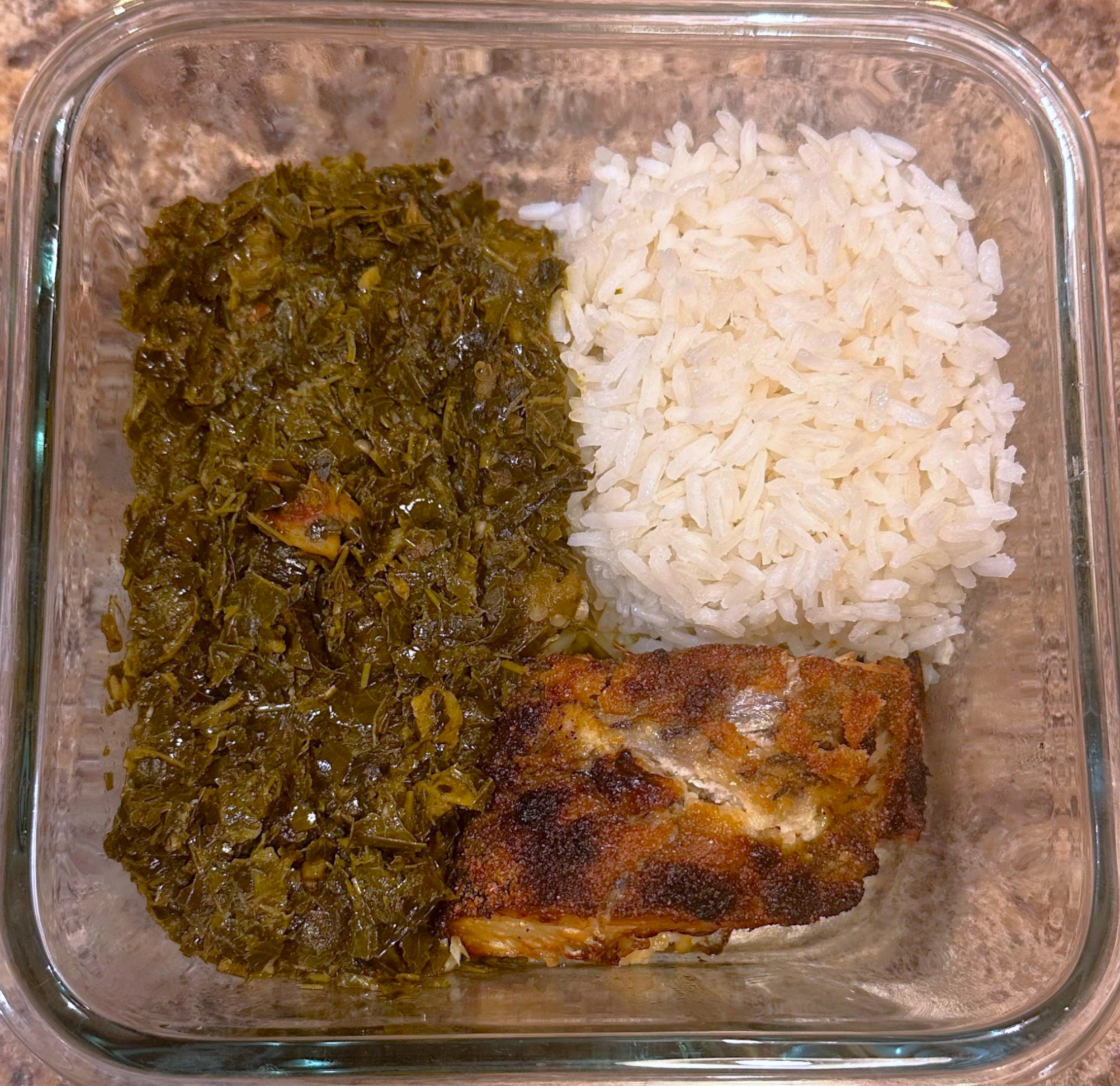
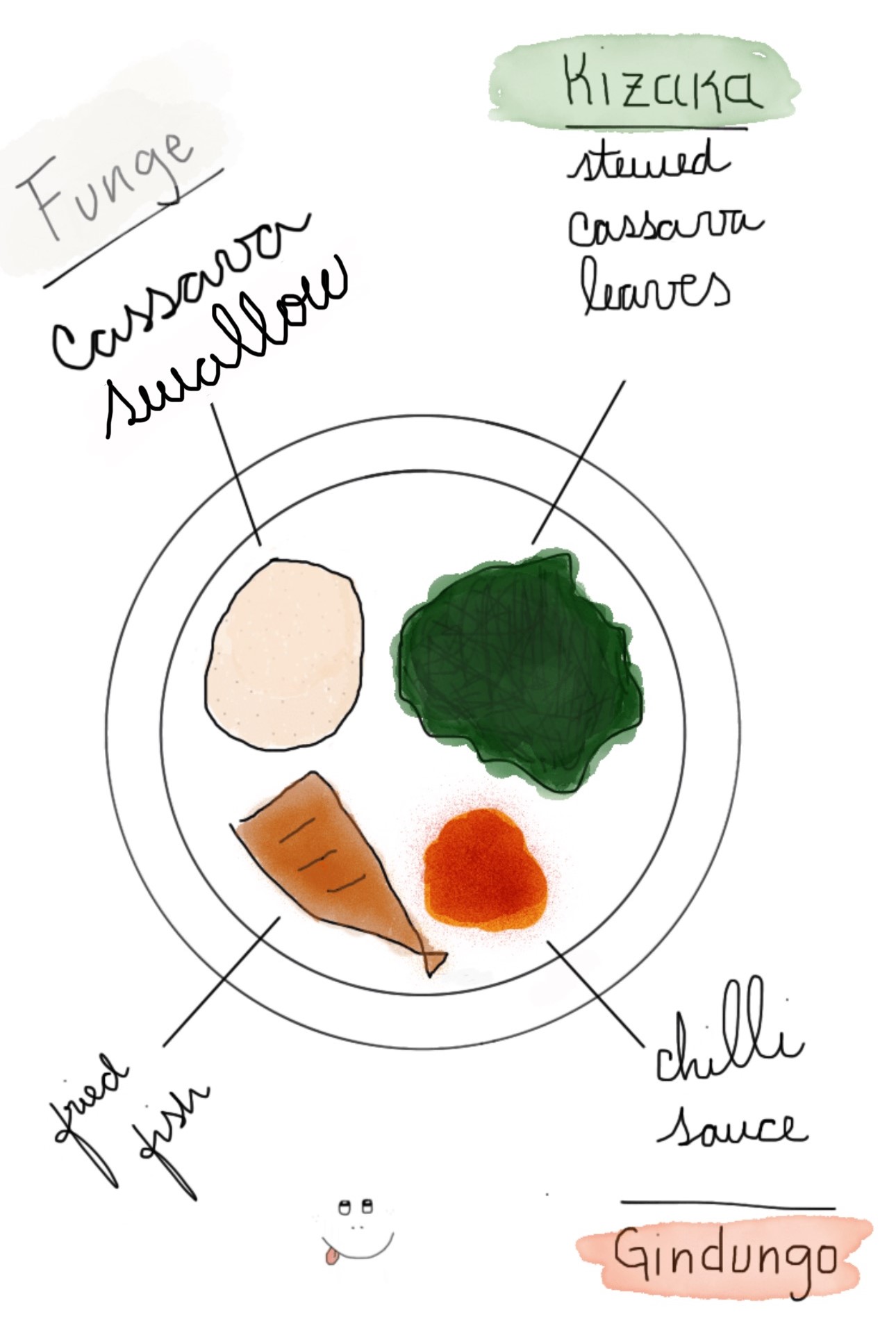
Serve with a side of rice, funge (fufu), or plantains. It can be eaten as the main protein or added to a meal as a side.
Although this is not your typical kizaka, I thought it was worth sharing it anyway as inspiration for anyone in the West African diaspora who has access to cassava leaves and wants to give it a try. Despite the missed steps and the non-traditional ingredients, the end result looked and tasted very close to the dish I grew up with. I will be attempting it again in the future and will consult with a relative for a proper recipe. Stay tuned.

 Studio Muxima