Hey there dear reader,
It’s been a minute since my last post. This one is near and dear to me. I hope you get something of value from it. If nothing else, it will be a break from the news cycle and coronavirus memes.
Since many of us are spending all of our time at home these days and have more time to think about the food we feed ourselves and our families daily, it feels like the appropriate time to learn more about a food crop that feeds the world.
Join me on a journey of global proportions as we dive into the world of a life-giving root. We’ll explore its history, health benefits, cultural significance, and culinary uses in Angolan culture.
ORIGINS
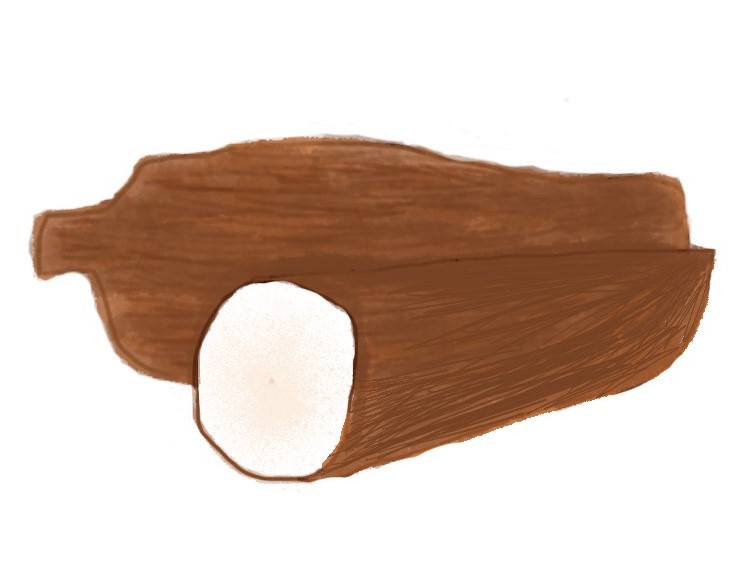
Angolans call it mandioca but it’s known by many other names including yuca, manioc, and cassava. Cassava, as it is called here in the U.S., is a starchy root vegetable that originates from the Amazon. Today, the root is a staple in the diet of about 800 million people in regions like Central and West Africa, South East Asia, South America, and the Caribbean. Staple foods are foods eaten frequently by a particular group of people. These foods usually make up a big portion of a person’s daily calories.
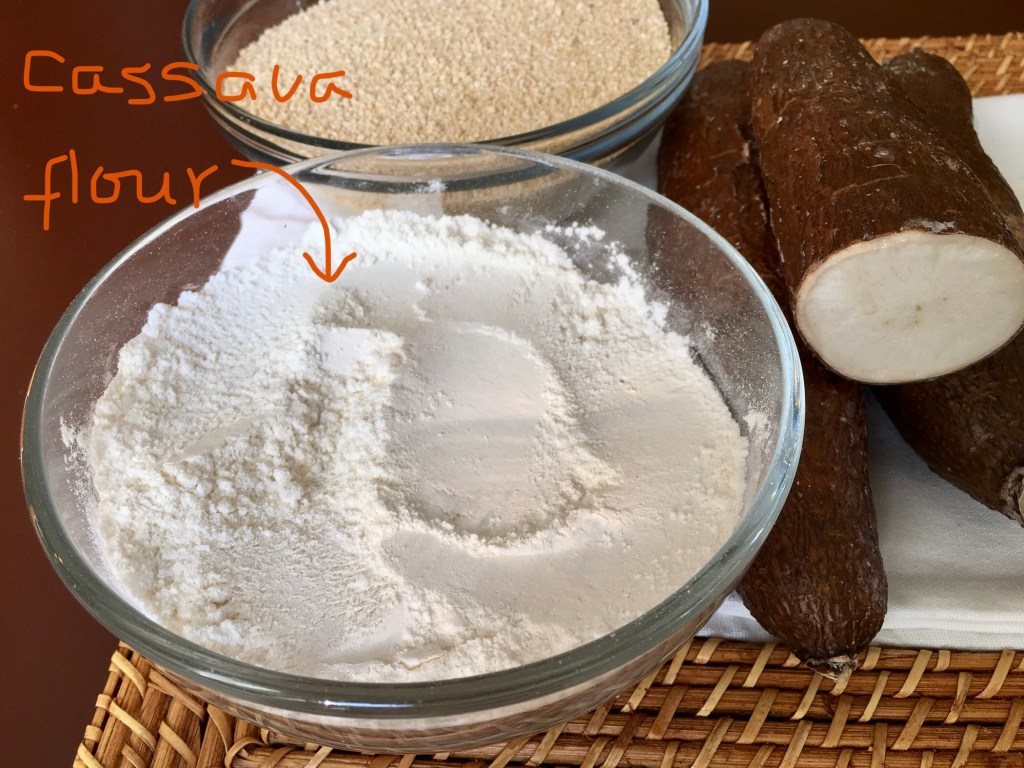
Funge, also known as fufu throughout Africa, is arguably the most beloved Angolan dish. And cassava-based funge is perhaps the most popular of all in Angola, although it can also be made from corn, yam, or plantains. Growing up, we ate cassava-based dishes at least a couple times a week. On Sundays, when everyone gathered at Grandma’s house, there was always some funge floating around the dinner table. Made by mixing cassava flour and hot water into a delicious paste, funge is the magical glue that brings families together at the end of a long week. This custom is so integral to family life in Angola, it even has its own song.
But cassava hasn’t always been part of Angolan/African culture. According to the Food and Agriculture Organization of the United Nations (FAO), cassava was brought to Africa in the 16th century, when Portuguese traders coming from Brazil arrived in the area that is now the Democratic Republic of Congo. At that time the staple foods in the DRC were yam, millet, and banana. When cassava was introduced to the culture, farmers kept it as a “famine-reserve crop” to be used during droughts, pest attacks, or the season before harvest.
CASSAVA TODAY
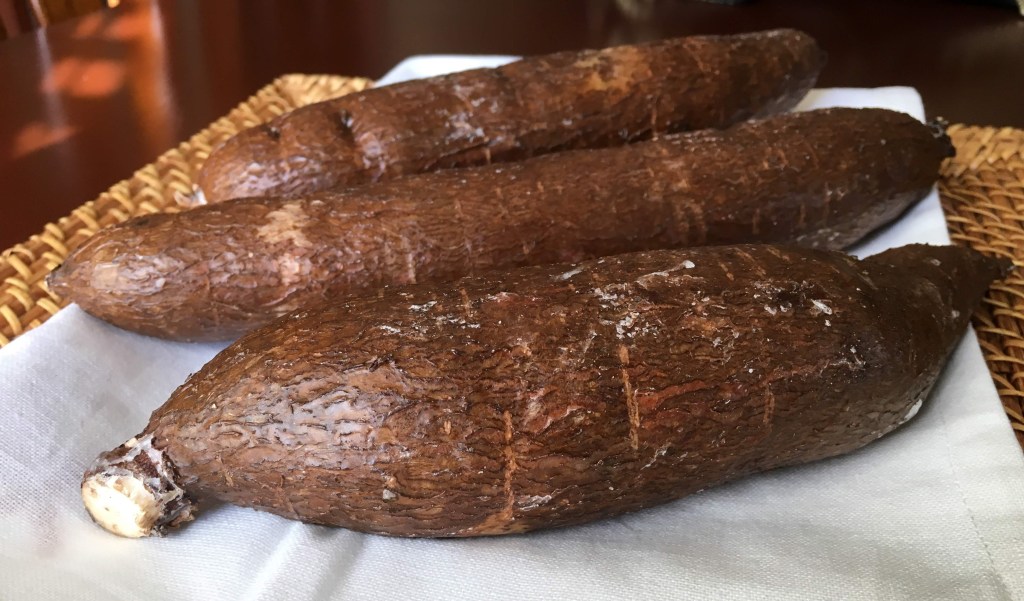
Five-hundred years of colonialism and many wars later, cassava became an important source of calories for more than half of the population in Africa. By the late ’90s, seven African countries including Angola, Congo-Brazzaville, and the DRC relied on cassava root as the main source of calories, with the average person getting more than 1,000 calories a day from cassava-based foods. Today, Nigeria is the world’s largest producer of cassava.
As the COVID-19 pandemic progresses we can expect cassava to become even more indispensable. As nations around the world see themselves forced to lock down entire cities, people will need to rely on pantry foods to get them through the lockdown period, which can last weeks or even months.
In countries like Angola where a significant portion of the population lives at or below the poverty level, many will have little or no stored food to rely on during this period. For the most disadvantaged, staying home for days or weeks at a time means that, at best, their families will struggle with food insecurity. These families are likely to rely on food crops like cassava for sustenance, especially cassava flour which is relatively cheap, energy-dense, and shelf-stable.
NUTRITIONAL VALUE
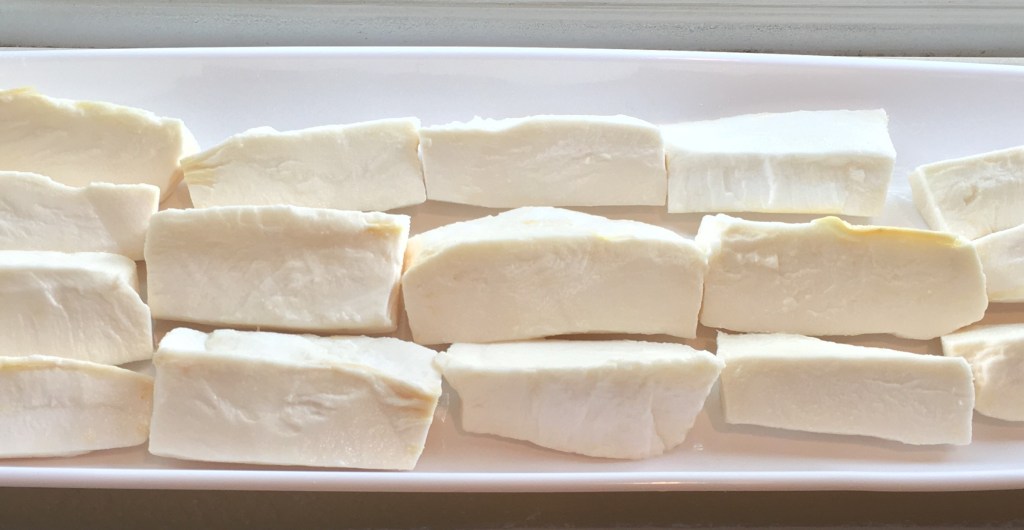
In Angola, the DRC and Congo-Brazzaville, people also eat the leaves of the mandioca plant. Both the root and leaves of cassava are nutrient-rich. The root is rich in carbohydrates, making it an energy-packed food. Cassava leaves, on the other hand, are a good source of protein, vitamins A, C, calcium, and iron. They are typically eaten the way we eat other leafy greens like collards or spinach.
COOK BEFORE EATING
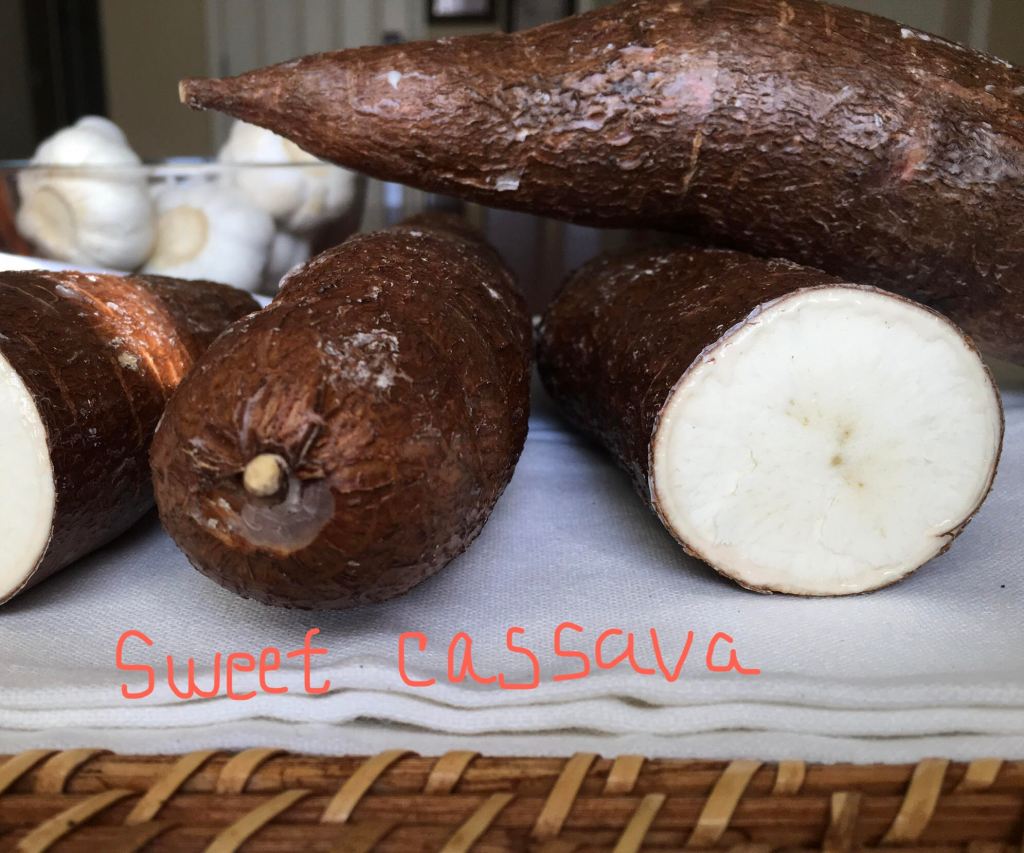
There are two types of cassava: bitter and sweet. Raw bitter cassava has high levels of cyanide, a toxic chemical that can also be found in small amounts in almonds, cherries, and spinach. Sweet cassava, on the other hand, has low cyanide levels, and it is the kind you’ll find in grocery stores. Regardless of the variety, cooking destroys the toxins, so it’s important to always cook cassava before eating it. You can boil it (make sure to throw away the water), bake it, fry it, roast it or pound it into funge. When it comes to cooking cassava, your options are pretty much endless.
Check out these cassava staples dishes from Angola for cooking inspiration.

 Studio Muxima
One Comment Add yours